Barwaaqo Jubaland: Climate Resilience & Environmental Restoration – Afmadow–Badhaadhe Corridor
By Samale Foundation
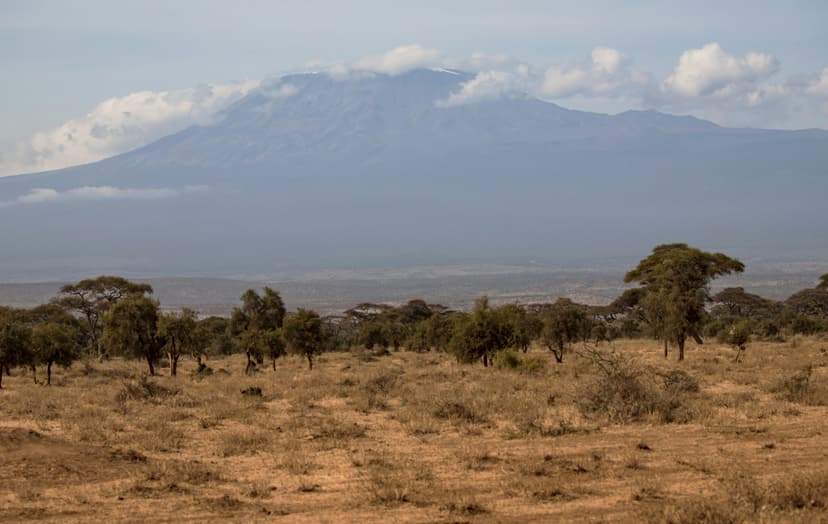
The Afmadow–Badhaadhe corridor has long been recognized as one of the most ecologically fragile yet strategically important regions in Jubaland. The area’s pastoral and agro-pastoral communities depend heavily on land productivity, water availability, and predictable seasonal patterns. However, decades of environmental degradation have resulted in extensive soil erosion, diminishing vegetation cover, declining pasture quality, and increasing vulnerability to drought. Over the past two years, numerous organizations—including regional NGOs, UN agencies, and international partners—have piloted restoration activities across southern Somalia. These efforts included rangeland reseeding, water catchment rehabilitation, climate-resilient agriculture, and localized land management committees. While these interventions demonstrated valuable results, many were fragmented and too short-term to address the systemic decline across the corridor.
Barwaaqo Jubaland is designed as a comprehensive, multi-year climate resilience and environmental restoration initiative that builds on lessons learned from past interventions while filling critical gaps. Its foundation lies in a detailed climate vulnerability and landscape diagnostic that incorporates community mapping, hydrological analysis, remote sensing imagery, and seasonal livelihood assessments. This diagnostic phase identifies priority restoration zones, erosion hotspots, degraded grazing areas, and potential sites for nature-based interventions. By grounding the program in scientific and community-derived evidence, Samale Foundation ensures that the intervention is both effective and credible to donors seeking measurable, long-term environmental gains.
The initiative’s anchor intervention is the establishment of community-led restoration blocks. These are designated areas in which communities collectively commit to land protection, managed grazing, reseeding, and tree establishment. Restoration blocks have proven effective across the Horn of Africa as low-cost, high-impact mechanisms for restoring rangeland and increasing biodiversity. Within these blocks, Barwaaqo Jubaland introduces regeneration methods such as assisted natural regeneration, planting of drought-resistant tree species, development of fodder banks, and construction of water retention structures such as contour bunds, infiltration trenches, and micro-catchments. These interventions enhance the land’s natural capacity to retain moisture, reduce erosion, and revive vegetation.
To complement ecosystem restoration, the program invests heavily in climate-smart livelihood diversification. Households across the corridor receive training and practical support in drought-tolerant crop production, home-garden irrigation, improved seed varieties, sustainable beekeeping, and value-added agriculture such as honey processing or small-scale packaging. These livelihoods reduce dependency on charcoal production—a major driver of deforestation—and provide communities with reliable income sources. Diversification also strengthens resilience by ensuring that households are not reliant on a single climate-sensitive livelihood stream.
Another distinguishing feature of Barwaaqo Jubaland is its focus on community-level environmental governance. The program facilitates the formation and strengthening of Natural Resource Management Committees (NRMCs), which represent elders, women, youth, and local authorities. These committees oversee restoration blocks, regulate grazing access, enforce tree conservation rules, and mediate disputes related to water and land use. Their work ensures that environmental gains are preserved, conflicts are de-escalated, and communities collectively assume responsibility for rehabilitation.
Beyond ecological and livelihood impacts, Barwaaqo Jubaland fosters a culture of environmental stewardship. As rangelands regenerate and water availability improves, communities begin to witness the tangible benefits of restoration. This visibility strengthens morale, revitalizes traditional resource management norms, and inspires neighbouring areas to adopt similar practices. Over time, the corridor experiences a shift from environmental crisis toward regenerative growth, with communities actively engaged as custodians of their land.
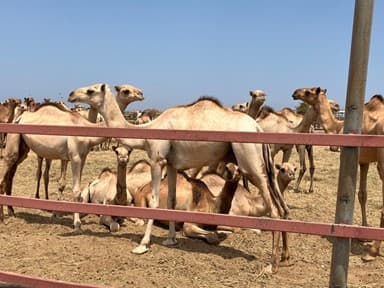
In the long term, Barwaaqo Jubaland strengthens the socio-economic and climatic resilience of the corridor. Restored grazing lands support healthier livestock, improved soil conditions enhance agricultural productivity, and diversified livelihoods increase household income stability. As resource-driven tensions diminish, cross-settlement relations improve, reinforcing broader peace and stability within Jubaland. The initiative thus stands as a model of how community-led environmental recovery can drive wider social transformation in fragile, climate-stressed regions.
In the long term, Barwaaqo Jubaland strengthens the socio-economic and climatic resilience of the corridor. Restored grazing lands support healthier livestock, improved soil conditions enhance agricultural productivity, and diversified livelihoods increase household income stability. As resource-driven tensions diminish, cross-settlement relations improve, reinforcing broader peace and stability within Jubaland. The initiative thus stands as a model of how community-led environmental recovery can drive wider social transformation in fragile, climate-stressed regions.
⏱️ Estimated reading time: 5 min